Vet approved nutrition for your pet’s health and happiness.

Recipes carefully selected by:
Dr Joe Martin BVSc, CertAVP (SAM), MRCVS, RCVS. Advanced Practitioner in Small Animal Medicine.
Tailored for every breed, size, and life stage —because pets are family.
Recipes to suit all breeds & life stages —
Dog Recipes

Dogs are omnivores, meaning their diet should include a balance of both animal and plant-based nutrients to support their overall health and well-being. Protein is a vital component of a dog's diet, as it provides essential amino acids necessary for muscle maintenance, tissue repair, and growth. While dogs can synthesize some amino acids on their own, others must be obtained through their diet to ensure proper bodily functions.
Fats are another critical part of a dog's diet, serving as a primary energy source and supporting healthy skin and a shiny coat. Essential fatty acids, such as Omega-3 and Omega-6, play an important role in reducing inflammation and promoting overall health. Carbohydrates, while not strictly necessary for dogs, can provide additional energy and dietary fiber to aid digestion.
Vitamins and minerals are also essential for maintaining a dog's health. For example, Vitamin A supports vision, immune function, and skin health, while Vitamin D, calcium, and phosphorus are crucial for strong bones and teeth. Dogs have the ability to convert beta carotene from plant sources into Vitamin A, but it is still important to ensure they receive a well-rounded diet that meets all their nutritional needs.
A complete and balanced diet tailored to a dog's life stage (puppy, adult, or senior), size, breed, and activity level is essential for optimal health. Providing the right mix of nutrients will help support their energy levels, immune system, and overall quality of life.
-
Puppies require an appropriate high level of protein to support growth and development through this crucial phase in life. This is usually higher than an adult’s requirement as this is the fastest development phase within a dog’s lifetime. During this phase they also require an appropriate and controlled Calcium and Phosphorus level to ensure correct skeletal development, which is especially important for large breed puppies.
-
Typically, dogs reach adulthood between the ages of 12 and 18 months. Our recipes for adult dogs are carefully formulated to be complete and balanced, supporting their everyday health and well-being. Our extensive selection of Adult Dog recipes features a variety of delicious flavours and freshly prepared proteins. These recipes offer numerous benefits, including support for digestive health and skin and coat health, making them an irresistible choice for both pets and their owners.
-
Despite their size, small breed dogs have similar energy requirements to their larger relatives. That’s why we pack the same exceptional ingredients and nutritional expertise into our smaller sized kibbles that are specifically designed to suit smaller mouths.
-
Our large breed recipes are nutritionally complete and balanced and come in a larger kibble size to promote chewing and prevent gorging or fast consumption of food, which could lead to bloating and digestive upset. The size and weight of large breed dogs can put more strain on their joints so we’ve added a combination of glucosamine, chondroitin & methylsulfonylmethane to support cartilage metabolism and help maintain healthy joints.
-
Our light recipes have added L-carnitine - derived from amino acid lysine - which promotes fat oxidation that helps to maintain healthy weight and lean muscle mass. Our light recipes are 15% lower in fat compared to standard adult products in order to aid weight reduction. As it is the calories which are reduced, this does not mean that a pet has to eat less, they can still consume a normal amount of food.
-
Senior recipes are designed to be suitable for those dogs over 7 years old. A senior diet is designed to help support the joints, have higher fibre content in order to help ‘keep things moving’ and have reduced energy content in order to help prevent weight gain in those golden years. A careful blend of Glucosamine, Chondroitin and MSM helps support cartilage for healthy joints. These recipes include L-carnitine, an essential amino acid which can help maintain a healthy weight and lean muscle mass.
Cat Recipes

As cats are obligate carnivores, they have unique nutritional requirements that differ to dogs, who like us are omnivores. Cats have a higher protein requirement than dogs, at least one-third of a healthy adult cat's diet should consist of protein. Proteins are made from building blocks called amino acids, some of which animals can synthesise themselves within the body, however there are some known as essential amino acids that must be supplied by the diet instead.
Two of the most important things needed in a cat food recipe are the essential amino acid taurine and also Vitamin A. Cats are unable to produce taurine themselves, so it's essential that we provide a sufficient level within their diet. Taurine deficiency can lead to blindness and heart failure, so ensuring cats receive enough taurine is extremely important to support eye and heart health. Supplementary vitamin A is also essential in cat food. Dogs have the ability to convert beta carotene, found in vegetables such as sweet potato, carrots and leafy greens into Vitamin A, however cats aren't as well adapted to produce this themselves, so ensuring their diet is rich in Vitamin A is vital to prevent skin and coat deterioration, maintain eye health and avoid muscle weakness.
-
Kittens grow quickly, within 6 months they will have reached approximately 75% of their adult body weight and so getting their diet right is vital to help them grow from a kitten into a healthy cat.
Our complete kitten recipe is formulated to provide young cats with the balanced nutrition and increased energy content that they require during growth. This includes a higher level of protein, rich in essential amino acids to support healthy muscle growth and added vitamin E to help support the immune system. The smaller kibble size of a kitten recipe also helps to make meal times easily manageable.
-
To meet all the nutritional requirements of adulthood, adult cats require a high quality diet able to support their needs. Our complete recipe has been formulated with nutritionally balanced levels of vitamins and minerals to help maintain everyday health and wellbeing of adult cats.
-
The outdoors provides an excellent environment full of enrichment for inquisitive cats. Cats with access to the outdoors require a strong immune system to help keep them healthy whilst they play and explore. Our recipe has been formulated with added Vitamin E to help support the immune system and maintain their natural defences.
-
It's well known that cats can be rather particular about what's in their food bowl. With this in mind, our recipe has been carefully formulated to ensure that it is especially palatable to cats, so that meal times continue to be a source of enjoyment for even the fussiest felines.
Meet Dr. Joe
As a veterinary specialist, I understand that good nutrition is vital for your pet's health, energy, and happiness. The truth is, not all pet foods are created equal.
At DR. JOE’s, we carefully source our products to meet the highest welfare and quality standards. We partner with the country’s finest UK manufacturer who works exclusively with trusted farms and fisheries, ensuring complete traceability.

Dr Joe Martin BVSc, CertAVP (SAM), MRCVS, RCVS. Advanced Practitioner in Small Animal Medicine.
Our ingredients
Each recipe features freshly prepared, high-quality protein that's grain-free, making it an irresistible choice for both pets and their owners. The finest freshly prepared meat is cooked at a gentle 82°C to protect its valuable proteins, enhance digestibility, and bring out the natural flavours.
We offer recipes tailored for pets of all ages and sizes—from puppies to seniors, tiny breeds to large ones—including specialised options for specific health concerns. Your furry friends deserve the finest food to keep them healthy, happy, and active. Our own pets love DR. JOE’S, and we're confident yours will too!


Benefits of kibble

The best choice for you and your pet —
Dr. Joe's kibble pet food stands out for its practicality and ease of handling. It offers pet owners an excellent choice for a balanced diet without the complications that come with alternative food types.
Convenience and Storage
Ease of Use: Kibble is ready-to-serve with no preparation needed, unlike raw or dehydrated foods that require thawing or rehydration.
Shelf Stability: Kibble has a long shelf life and doesn't need refrigeration, making it perfect for busy pet owners or those with limited storage space.
Hygiene: It's cleaner than raw food and carries a lower risk of bacterial contamination—particularly important for households with children or immunocompromised individuals.
Nutritional Completeness
DR. JOE’S kibble meets established nutritional standards for your pets, providing all essential nutrients in one meal.
Dental Health
The crunchy texture helps reduce plaque and tartar on dogs' teeth, promoting better oral health than softer food options.
Versatility
Kibble works well as a training treat or toy stuffing for mental stimulation. It can also be softened with water for puppies or older dogs with dental issues.
Safety
Unlike raw food, kibble eliminates risks from pathogens like Salmonella and E. coli, making it safer for both pets and their owners.
Cali can’t get enough of DR JOE’S Venison with Sweet Potato & Mulberry!
(Cali Keating)
What our friends are saying
-
![Close-up of a fluffy white and tan dog with one eye partially closed, sitting on a person's lap.]()
“Joe is a vet who understands that most pet food brands are filling their food with rubbish, and he wants to make food that gives our pets a long happy life by making delicious food for them, that’s full of goodness. I took one look at these ingredients and said “yep, my fussy dog can eat these”. Milo loves them so far, and we absolutely will be getting some more for my brother’s kitten.”
Danni Abbott (Milo)
-
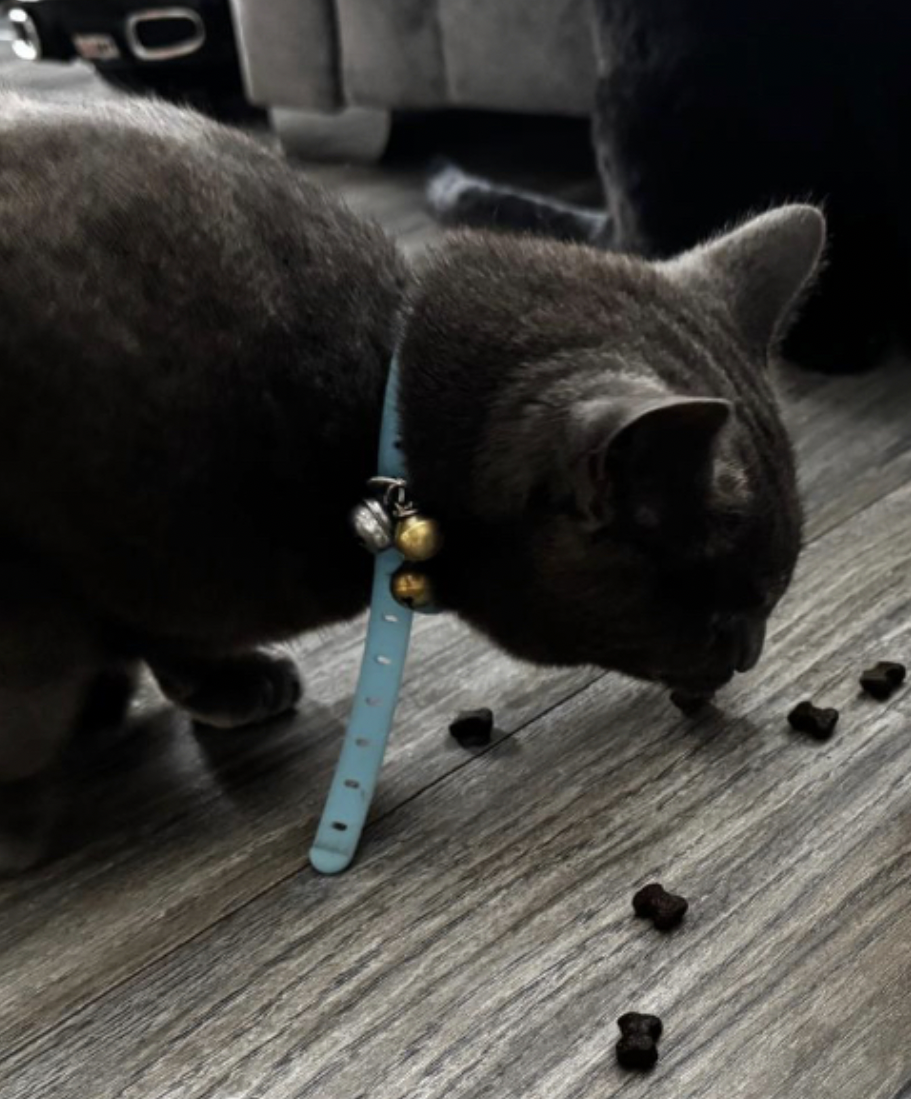
![Gray cat wearing a blue collar with bells, eating dry cat food on a wooden floor.]()
“Boris has always been a fussy eater. He is now enjoying his food without tummy upsets. The whole family is happy.”
Andrea Lewis (Boris)
-
![A brown dog eating from a white bowl with black spots.]()
“Roșie loves her new kibble.”
Annie McAndrew (Rosie)